

10 Things to Consider Before Installing a New Garage Door
Installing a new garage door is a significant investment that can transform both the look and functionality of your home. From enhancing curb appeal to improving energy efficiency, a well-chosen garage door adds long-term value. Before making a decision, it’s important to consider several key factors to ensure your choice meets your needs, lifestyle, and budget. By reviewing materials, insulation, security, and professional installation options, homeowners can make informed decisions. Understanding these considerations lays the groundwork for choosing the right garage door company to handle the project. With careful planning, you can enjoy a garage door that is not only functional but also enhances the overall character of your home.
1. Material Options
Choosing the right material is critical for durability, maintenance, and aesthetic appeal. Steel doors are known for their strength and low maintenance, often insulated for energy efficiency and noise reduction. While they can dent or rust if neglected, they are versatile and available in multiple gauges and insulation levels, fitting a range of budgets. Wood doors provide a classic, elegant look and can be customized with stains or paints, though they require regular upkeep to prevent warping, rot, and insect damage. Aluminum doors are lightweight and highly resistant to rust, making them suitable for humid or coastal climates, and they can be painted to match exterior styles. Fiberglass doors resist warping and cracking and mimic wood aesthetics without high maintenance, though they may need additional insulation in extreme climates. Vinyl doors are durable, resistant to dents, rust, and fading, and offer smooth operation for all family members, making them a long-term value choice for many homeowners. When choosing a material, consider not only appearance but also local weather conditions, maintenance capabilities, and the door’s expected lifespan.
2. Insulation Needs
Insulation affects energy efficiency, comfort, and overall garage functionality. The R-value measures thermal resistance, with higher values indicating better insulation, helping maintain stable temperatures and reduce energy costs in attached living spaces. Homeowners should also consider their local climate; colder regions may need higher R-values to retain heat, while warmer areas focus on keeping cool air inside. Insulated doors can reduce drafts, stabilize indoor climates, lower reliance on HVAC systems, and even minimize noise from outside or inside the garage. For garages attached to homes, insulation helps maintain comfort in nearby rooms, making proximity to living spaces a key consideration in choosing the right garage door and insulation type. Additionally, insulated doors can help protect stored items, tools, and vehicles from extreme temperature swings, further increasing the functionality and value of your garage.
3. Security Features
Security is a critical factor when choosing a garage door. Reliable locks, from manual mechanisms to automatic deadbolts, prevent unauthorized access and can integrate with home security systems for added protection. Door strength is equally important; steel or reinforced composite doors resist break-ins and require fewer repairs. Windows can provide light and style, but should be reinforced with shatter-resistant or double-paned glass to maintain security. Adding alarm systems with motion sensors further enhances safety, creating a comprehensive defense strategy for the home. For additional protection, homeowners may also consider integrated smart features, such as automatic locking and real-time activity alerts, which give peace of mind whether at home or away.
4. Design and Aesthetics
A garage door should complement a home’s architecture while remaining functional. Choosing designs that match contemporary, traditional, or rustic styles helps maintain visual harmony. Color choice is also important; neutral tones blend seamlessly, while bolder colors make a statement. Window placement provides natural light without compromising privacy, and panel patterns — from classic to modern — allow homeowners to personalize the door’s appearance. Additional customization, such as ornamental hardware or embossed patterns, can further align the garage door with a home’s aesthetic while potentially adding value. Design choices also influence neighborhood appeal and resale value, making a thoughtful choice a smart investment.
5. Cost Considerations
Budgeting is essential for purchase, installation, and long-term maintenance. When setting a budget, consider material, design, insulation, and security features. Long-term value should also factor into decisions, as higher-quality materials can reduce future repair and energy costs. Professional installation ensures proper fitting and warranty protection; according to Fixr, garage door installation typically takes one to three hours on average, depending on complexity. Maintenance planning is important, as wood doors require ongoing attention, while steel and vinyl are low-maintenance. Leveraging warranty benefits, including potential maintenance checks, helps protect your investment and reduce long-term expenses. Considering financing options or seasonal promotions offered by garage door companies can also make high-quality doors more accessible without compromising on features or aesthetics.
6. Professional Installation
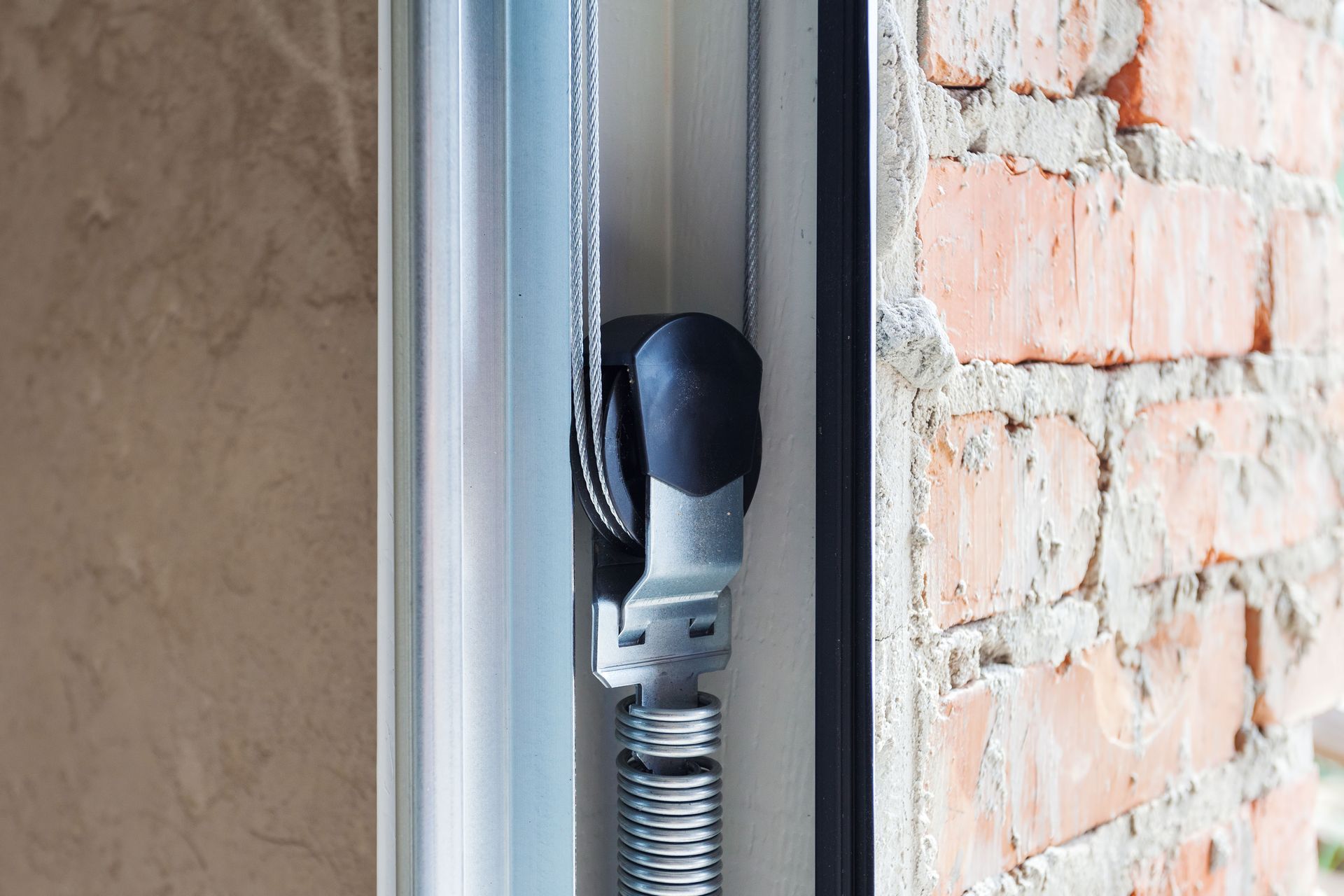
Choosing a garage door company ensures expertise and safety throughout the installation process. Professionals handle proper fitting, mitigate risks like torsion spring injuries, and follow precise installation timelines, saving homeowners time and potential stress. While DIY installation may reduce labor costs, it carries risks of errors, extended timelines, and safety hazards. Professional installation offers reliability, warranty coverage, and quality assurance, making it the preferred option for most homeowners. By hiring an experienced garage door company, you also gain access to expert advice on material choice, security features, and energy-efficient upgrades.
7. Garage Door Maintenance
Regular maintenance extends the life of your garage door and helps prevent unexpected failures. Lubricating moving parts, tightening hardware, and inspecting torsion springs ensure smooth operation and reduce wear. A professional garage door company often provides maintenance services to check for early signs of damage, align tracks, and test openers for consistent performance. Scheduling routine maintenance can prevent costly repairs and keep your garage door operating safely and efficiently. Homeowners who maintain their doors also benefit from longer-lasting warranties and improved performance over the life of the door.
8. Garage Door Opener Upgrades
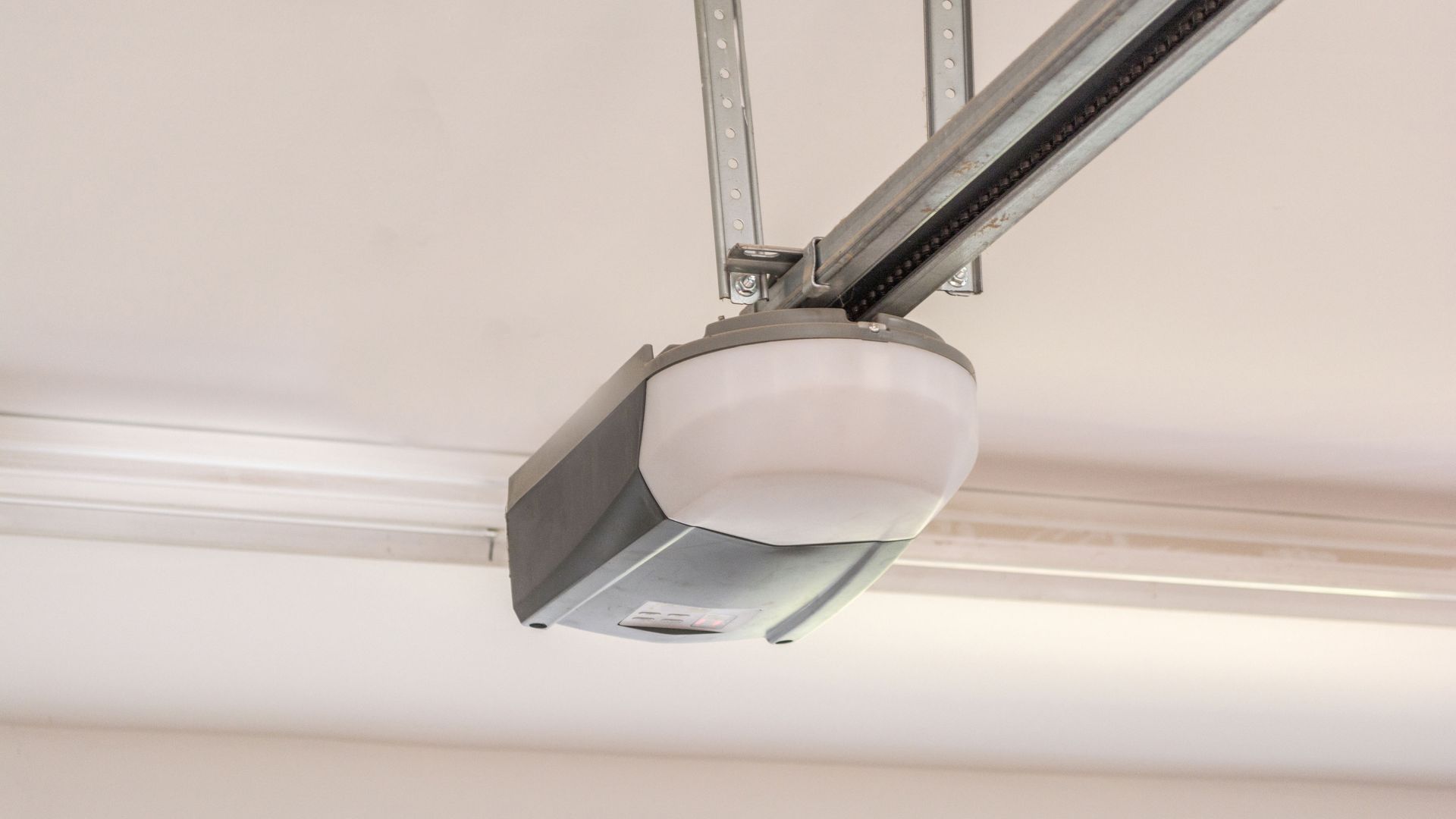
Modern garage door openers offer convenience, security, and advanced features that older systems may lack. Smart openers allow remote control via smartphones, monitor door activity, and integrate with home automation systems. Upgrading your opener can improve reliability, reduce noise, and enhance safety with automatic reverse and obstacle detection. A professional garage door company can assess your current system and recommend the right opener to fit your home and lifestyle. Additionally, pairing a new opener with an insulated, high-quality door can maximize energy efficiency and smooth operation.
9. Garage Functionality
Beyond aesthetics and security, your garage door can improve overall garage functionality. Options like multi-car doors, sectional panels, and automated openers can increase convenience, particularly for larger households or busy families. Thoughtful design ensures smooth traffic flow, easy access to storage areas, and integration with smart home technology. Considering how the garage door will interact with daily routines, vehicles, and storage solutions ensures that your investment improves both utility and comfort over the long term.
10. Garage Lifespan
Investing in durable materials, proper insulation, and professional installation contributes to the long-term lifespan of your garage. Routine maintenance, timely repairs, and using high-quality components prevent premature wear and costly replacements. Homeowners who choose a reliable garage door company for installation and ongoing care benefit from expert guidance on extending the life of their doors, openers, and torsion springs. A well-maintained garage door continues to function efficiently while maintaining the overall value and appearance of the property.
Choosing the right garage door involves balancing materials, insulation, security, aesthetics, and cost while working with a professional garage door company. Considering these factors ensures that your new door enhances your home’s appearance, comfort, and functionality. At Garage Door Guru of NC, we provide expert guidance and professional services for garage door installs, repairs, openers, and torsion spring maintenance. We are ready to help you choose and install a garage door that fits your home and lifestyle seamlessly.

Share On: