

Why Garage Door Repairs Should Never Be a DIY Project
Garage doors are critical components of many homes, serving both functional and aesthetic purposes. While some homeowners attempt to fix their garage doors themselves, many are unaware of the intricacies involved in these repairs. Let's check out why DIY garage door repairs are fraught with obstacles, hazards, and misconceptions that make professional intervention the most prudent choice.
Understanding Garage Door Systems
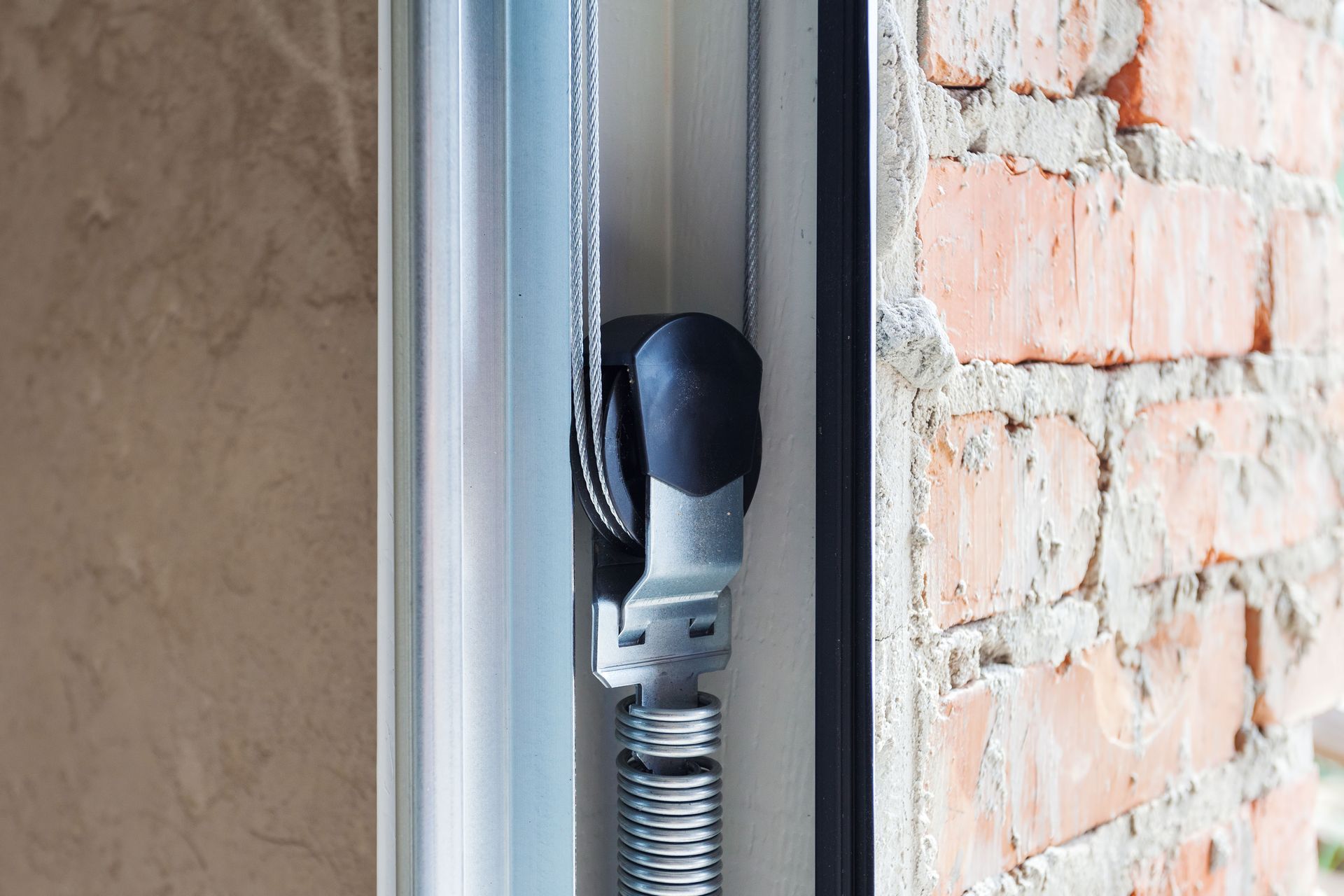
Garage door systems are composed of various components that work in harmony to ensure smooth operations. These elements include springs, cables, rollers, and tracks, each playing a significant functional role. A single malfunction in one part can cascade into broader issues, demonstrating the intricate nature of these systems. Professional repairmen understand the interconnectedness and can pinpoint problem areas with precision. Attempting a DIY repair without this understanding can exacerbate existing issues, leading to significant malfunctions.
Precision is non-negotiable when it comes to garage door repairs. Every measurement and adjustment must be exact, as anything less can compromise the door's functionality and security. Misalignments can cause doors to jam or fail, posing significant safety hazards. Professionals use specialized tools to ensure these precise adjustments, something often lacking in DIY approaches. Without the proper expertise, a homeowner risks creating a dangerous and costly situation.
The interplay between a garage door's physical structure and its mechanical components is complex. Each part needs to be in harmonious alignment to ensure not only smooth operation but also safety. Professionals are trained to assess the entirety of the system, including potential structural concerns that may not be obvious. By contrast, a DIY repair might miss these critical aspects, inadvertently weakening the system. Over time, this neglect can result in system failure, costly damages, or dangerous situations.
Garage doors are incredibly heavy, and maintaining proper balance and weight distribution is crucial for their safe functioning. Balancing these doors requires careful calibration of springs and tracks, tasks fraught with potential for injury if mishandled. Professionals have the experience and equipment to manage these challenges without risking personal safety. A DIY attempt can easily lead to misalignment, making the door unstable and dangerous. This balance issue is often underestimated, leading to the conclusion that garage door repairs should be left to professionals.
Managing Safety Risks
Attempting to repair a garage door can lead to significant personal injuries. The weight of the door, the tension in the springs, and the use of heavy tools all contribute to the risk. Even seemingly minor repairs involve risks that can result in serious harm, from crushed fingers to full-body impact injuries. Professional technicians aren't only trained to handle such situations but are also equipped with the appropriate safety gear.
Tension springs are a vital component of garage door systems, responsible for counterbalancing the door's weight. Mishandling these high-tension springs during a DIY repair can cause them to snap with dangerous force. Such an event carries the risk of severe injuries ranging from deep cuts to broken bones. Professionals use specialized tools and techniques to safely handle and replace these springs.
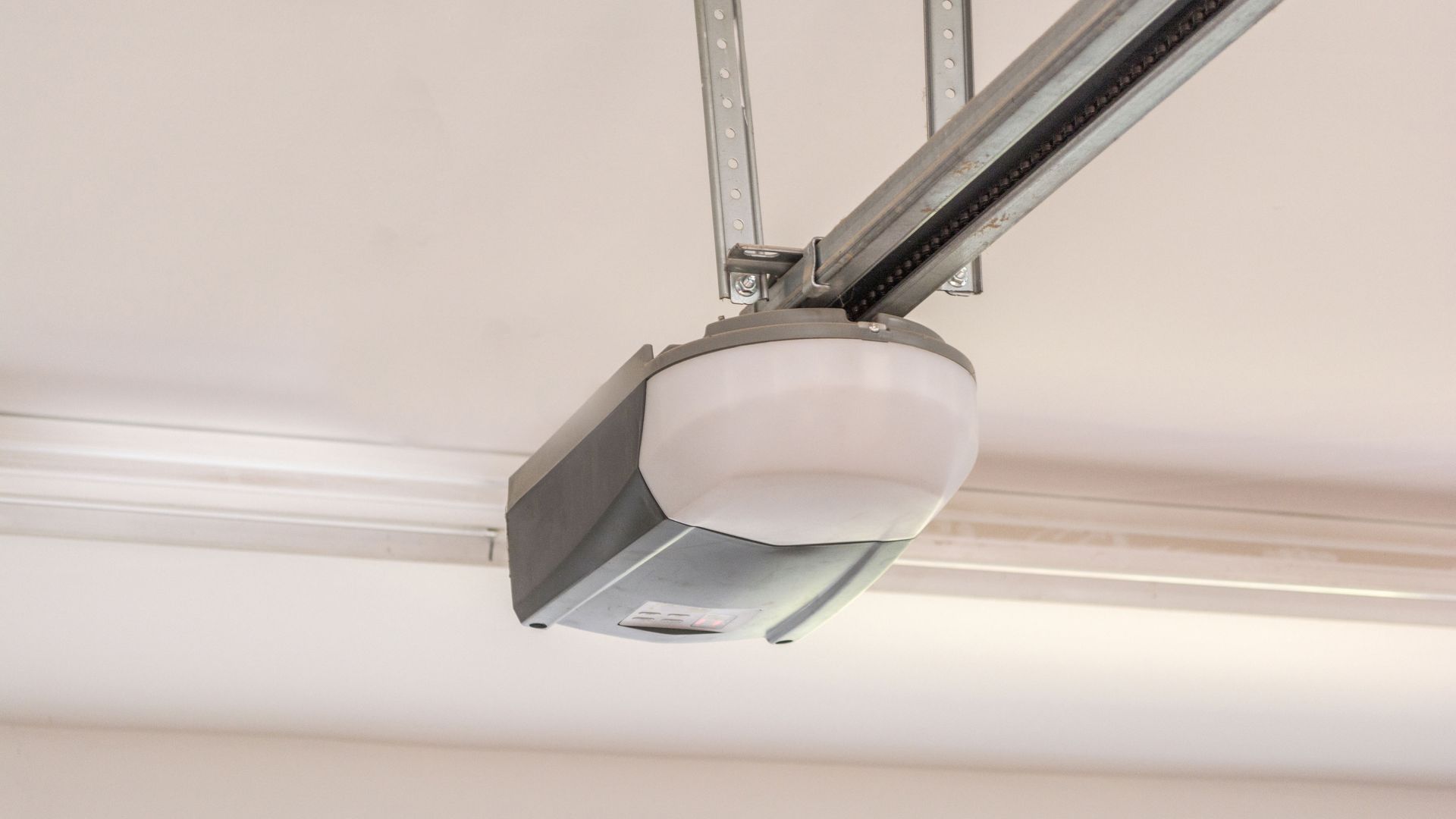
Modern garage doors often come equipped with sophisticated electronic components, including sensors and motorized openers. Working with these electrical parts without the proper expertise can lead to shocks, short circuits, or even fires. Professional repairmen are trained to address electrical issues safely, ensuring all components function properly and securely. Without this knowledge, a DIY attempt can not only damage the electrical system but also pose a significant safety hazard.
Garage door repairs require the use of specialized tools, without which even simple repairs can become hazardous. Many of these tools aren't typically found in a homeowner's toolbox and can be dangerous if used improperly. Professional repair services have access to these tools and the experience to use them safely. The potential for injury from improper tool use further advises against DIY garage door repairs.
Ensuring Quality Repairs
Professional technicians bring years of experience and training to every garage door repair. This expertise enables them to quickly diagnose problems and implement effective solutions. In contrast, DIY repairs are often trial-and-error, lacking the refined knowledge of trained professionals. This disparity means that DIY solutions can fail to address the root of the problem, leading to ongoing issues.
Another distinction between professional and DIY garage door repairs lies in the quality of materials used. Professionals have access to high-quality components that ensure durability and performance. On the other hand, DIY repairs might involve inferior parts due to budget restrictions or lack of access to professional-grade materials. This difference in material quality can lead to inferior repairs that require frequent maintenance and eventual replacement.
Professional garage door repairs are characterized by a meticulous attention to detail. Technicians conduct comprehensive inspections and address every component of the garage door system to ensure integrity and functionality. DIY repairs often focus on surface-level issues, neglecting underlying causes due to a lack of expertise. This lack of detail can compromise the door's operation over time, leading to further issues.
The long-term durability of repairs substantially favors professional interventions over DIY projects. Professional repairs are built to last, as technicians apply their expertise to ensure that solutions are effective and enduring. Conversely, DIY repairs can be temporary, failing to stand the test of time due to improper technique or materials. This need for ongoing fixes can become both cumbersome and financially draining.
Reducing Time and Increasing Convenience
One significant downside of DIY garage door repairs is the substantial time investment they require. Without prior experience, homeowners may spend hours troubleshooting and attempting fixes — often much longer than expected. According to Fixr, installing a garage door usually takes around one to three hours, highlighting how much time can be saved by hiring professionals who complete the job efficiently.
Hiring professional repair services offers unparalleled convenience for homeowners. Skilled technicians handle all aspects of the repair, alleviating stress and hassle. This allows homeowners to focus on other priorities while ensuring the garage door is repaired swiftly and effectively. Professionals also offer flexible scheduling and often complete repairs much quicker than DIY attempts. This convenience highlights a key advantage of professional repairs, allowing homeowners to maintain their routines with minimal disruption.
Attempting DIY repairs often leads to prolonged downtime, as homeowners juggle repairs with daily responsibilities. Scheduling conflicts can interfere further, extending the wait time for a functioning garage door. In contrast, professional services prioritize efficient service, reducing downtime and potential conflicts. Their availability ensures that repairs fit seamlessly within the homeowner's schedule. Therefore, opting for professional technicians minimizes downtime, providing a smoother resolution to garage door issues.
Maintaining a work-life balance is challenging enough without juggling complex DIY projects. Garage door repairs can be both time-consuming and stressful, detracting from personal time and well-being. Professionals alleviate this burden, allowing homeowners to focus on their careers and family while ensuring necessary repairs are handled. This balance between work, life, and home maintenance underscores the value of hiring professionals.
The decision to hire professional services for garage door repairs ensures greater safety, quality, and convenience. While DIY efforts might appear cost-effective, they fall short in reliability, long-term savings, and risk mitigation. By opting for expertly executed repairs, homeowners can rest assured that their garage doors function efficiently and safely, emphasizing the merits of choosing professional expertise over uncertain DIY approaches. Don't risk costly mistakes or personal injury — contact Garage Door Guru of NC today to schedule expert garage door repair or installation services and enjoy fast, reliable results.

Share On: