

Why Your Garage Door Opener Won't Respond
A garage door that refuses to open or close can quickly disrupt your daily routine. Many homeowners rely on this system multiple times throughout the day, making a sudden failure frustrating and inconvenient. While some problems are simple fixes, others may indicate issues with electrical components, mechanical parts, or safety features. Understanding the common reasons behind a non-responsive system helps homeowners identify potential concerns before they become larger problems. Regular maintenance and professional inspections can improve reliability while extending the life of the equipment. A properly functioning garage door opener provides convenience, security, and easier access to your home. Learning why problems occur can help you determine when troubleshooting is enough and when expert assistance is needed.
Checking Remote Control Problems
One of the most common reasons a garage door opener fails to respond is an issue with the remote control. Dead batteries, damaged buttons, or signal interference can prevent the remote from communicating with the system. Homeowners should first replace the batteries and test whether the problem continues. Nearby electronic devices may sometimes interfere with the signal and limit performance. If the remote still does not work, it may need to be reprogrammed or replaced. Professional technicians can inspect the system to determine whether the issue is isolated to the remote or connected to another component. A functioning remote is essential for convenient operation and daily accessibility. Addressing small remote issues quickly can prevent unnecessary frustration.
Inspecting Power Supply Issues
Electrical problems are another frequent cause of a garage door not responding. The system requires a consistent power connection to operate correctly. A disconnected plug, tripped circuit breaker, or damaged outlet can interrupt functionality. Homeowners should verify that the unit is receiving power before assuming the equipment has failed. Sometimes the solution is as simple as resetting a breaker or reconnecting a loose plug. However, electrical issues involving wiring or internal components require professional attention. According to This Old House, a 3/4-horsepower garage door opener can lift doors weighing up to approximately 1,000 pounds and extending across 20 feet, showing how much power these systems can provide when operating properly. Ensuring the electrical supply remains stable helps the equipment perform efficiently.
Examining Safety Sensor Problems
Safety sensors play an important role in preventing accidents and protecting people, vehicles, and belongings. When these sensors become misaligned, dirty, or blocked, the door may refuse to close properly. Many modern systems are designed to stop operation when the sensors detect a potential safety concern. Homeowners can check whether objects are blocking the sensor path and clean the lenses if necessary. Small alignment issues may also prevent the system from receiving the correct signal. Professional service can help determine whether the sensors need adjustment or replacement. Keeping these safety components working correctly improves overall performance. Proper sensor maintenance ensures the door operates as intended while protecting everyone nearby.
Reviewing Wall Switch Malfunctions
The wall switch is another component that may cause response problems. If the switch does not activate the system, the issue could involve wiring, internal damage, or a connection problem. Testing the remote can help determine whether the problem affects the entire system or only the wall control. If the remote works but the wall switch does not, the switch may require attention. Professional technicians can inspect the wiring and replace damaged components when necessary. Ignoring a malfunctioning switch may eventually affect other parts of the system. Regular inspections help identify these concerns before they interfere with daily use. A properly functioning control system keeps operation simple and reliable.
Identifying Mechanical Obstructions
Physical obstacles can prevent a garage door from moving even when the opener itself is functioning. Dirt, debris, damaged tracks, or objects blocking movement can create resistance. The system may detect this resistance and stop as a safety measure. Homeowners should check the surrounding area for visible obstructions before attempting further troubleshooting. Bent tracks or damaged rollers may require professional repairs to avoid additional problems. Forcing the door to operate despite mechanical resistance can lead to more extensive damage. A careful inspection helps identify whether the issue is related to movement rather than the motor. Keeping the mechanical components clean and properly maintained supports smoother operation.
Evaluating Broken or Worn Components
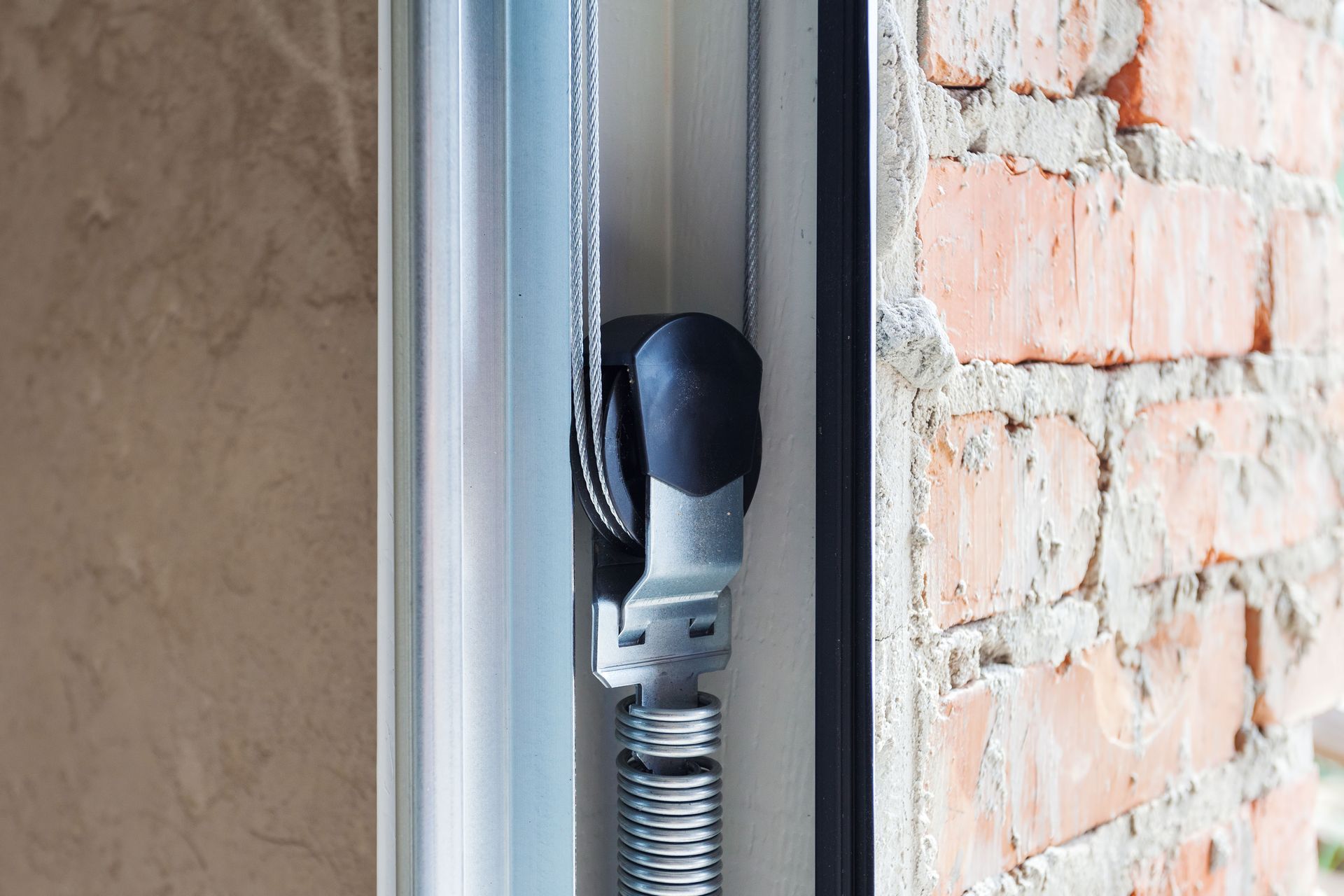
Over time, various garage door components experience normal wear and tear. Springs, cables, rollers, and other parts can weaken after years of repeated use. When these components begin failing, the system may struggle to lift or move the door properly. A garage door opener may appear to be the problem when the actual issue involves another mechanical part. Professional technicians can evaluate the entire system to identify the source of the failure. Replacing worn components helps restore safe and efficient operation. Routine maintenance allows small issues to be addressed before they cause unexpected breakdowns. Proper care improves reliability and extends the lifespan of the entire garage door system.
Resetting System Settings
Sometimes a garage door system stops responding because of programming or configuration issues. Power interruptions, accidental changes, or electronic glitches can affect the settings. Resetting the system may restore communication between controls and the motor. Homeowners should follow manufacturer instructions carefully when attempting a reset. Incorrect adjustments can create additional problems or affect safety features. Professional technicians have the experience needed to diagnose programming issues efficiently. A proper reset can restore normal operation without requiring unnecessary replacements. Keeping settings properly configured helps maintain dependable performance.
Addressing Motor Performance Issues
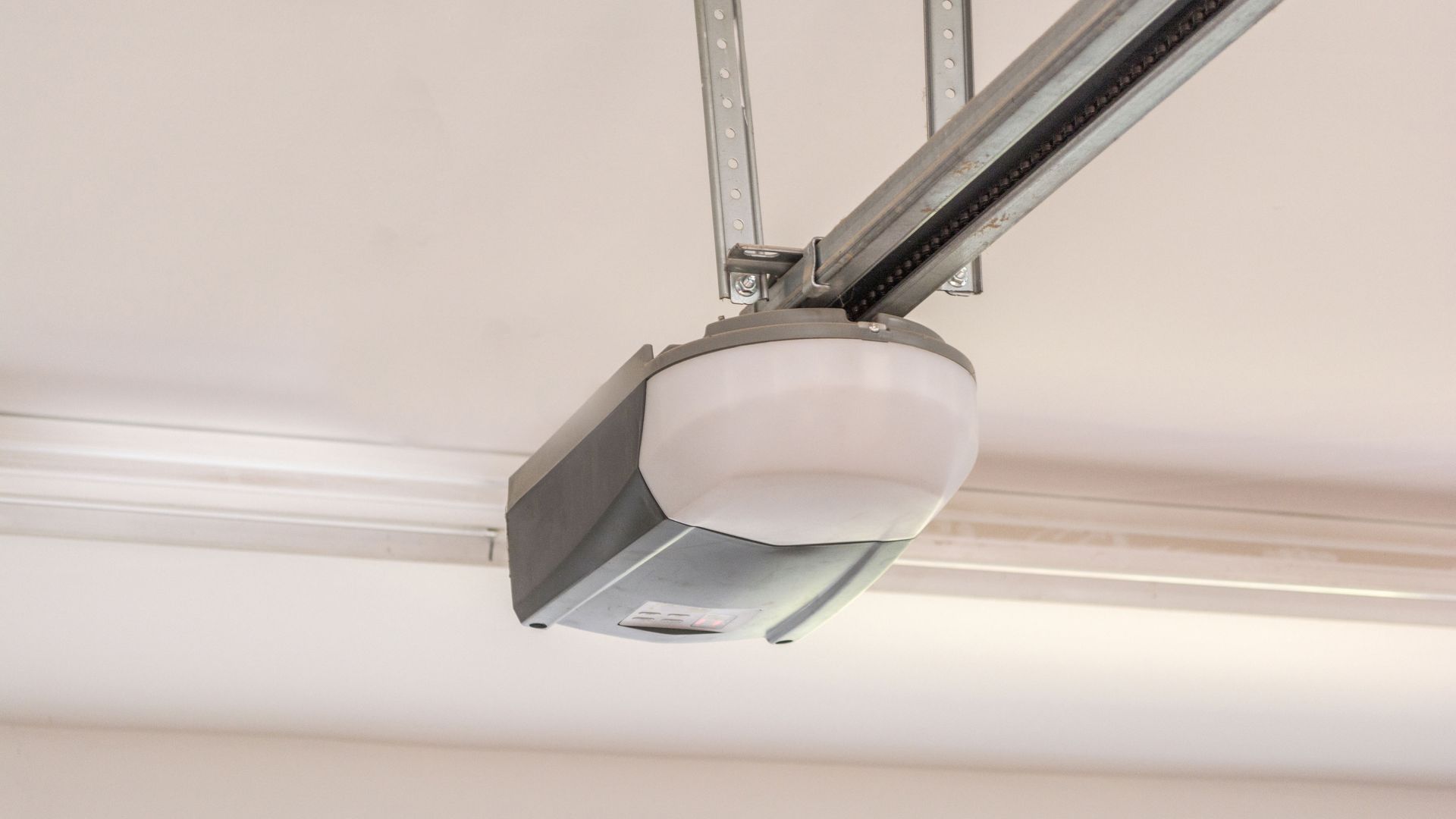
The motor is one of the most important parts of any garage door system. If the motor becomes damaged or overheated, the door may stop responding entirely. Unusual noises, slow movement, or inconsistent operation can indicate motor-related concerns. A garage door opener depends on a properly functioning motor to provide the force needed for daily use. Professional inspections can determine whether repairs or replacement are necessary. Attempting to repair internal motor components without proper knowledge may create safety risks. Regular maintenance helps identify performance issues before complete failure occurs. Reliable motor operation ensures convenient access and dependable functionality.
Scheduling Professional Maintenance
Preventative maintenance is one of the best ways to reduce unexpected garage door problems. Professional technicians inspect important components, adjust settings, and identify potential concerns before they become major repairs. Regular service helps improve safety, performance, and overall reliability. Homeowners benefit from knowing their system is operating correctly throughout the year. Maintenance can also reduce unnecessary wear on moving parts. A trained professional can identify issues that may not be obvious during a basic homeowner inspection. Consistent care helps protect the investment made in the garage door system. Scheduling routine service keeps operation smooth and dependable.
Knowing When to Seek Expert Help
While some minor issues can be resolved through basic troubleshooting, certain problems require professional expertise. Electrical failures, broken components, and motor concerns should be handled by trained technicians. Attempting complex repairs without proper experience may create safety hazards or cause additional damage. Professionals have specialized tools and knowledge to diagnose problems accurately. Garage Door Guru provides reliable solutions for homeowners experiencing operation issues. Expert assistance ensures repairs are completed correctly and safely. Knowing when to call for help saves time and prevents further complications. Professional service restores convenience and confidence in your garage door system.
If your garage door is not responding, trust the experienced team at Garage Door Guru to diagnose and resolve the issue. Our professionals provide dependable repair and maintenance solutions designed to keep your system operating safely and efficiently. Whether you need troubleshooting, repairs, or preventative service, we are ready to help restore your home's convenience. Contact us today to schedule garage door opener service and get your garage door functioning properly again.

Share On: