

How Temperature Changes Affect Garage Door Springs
Temperature changes can affect how a garage door operates, especially when seasonal shifts place additional stress on its moving components. From cold winter conditions to summer heat, changing temperatures can influence spring tension, lubrication, and overall performance. Understanding these effects can help property owners recognize potential issues and know when professional service may be needed.
Understanding Garage Door Springs
Garage door springs play an essential role in helping a garage door open and close smoothly. Because they are made from metal and operate under significant tension, temperature fluctuations can affect their performance. Changes in heat and cold may influence spring tension, lubrication, balance, and overall wear. Understanding how seasonal conditions affect these components can help property owners recognize potential problems and arrange professional maintenance when needed.
Understanding Spring Types
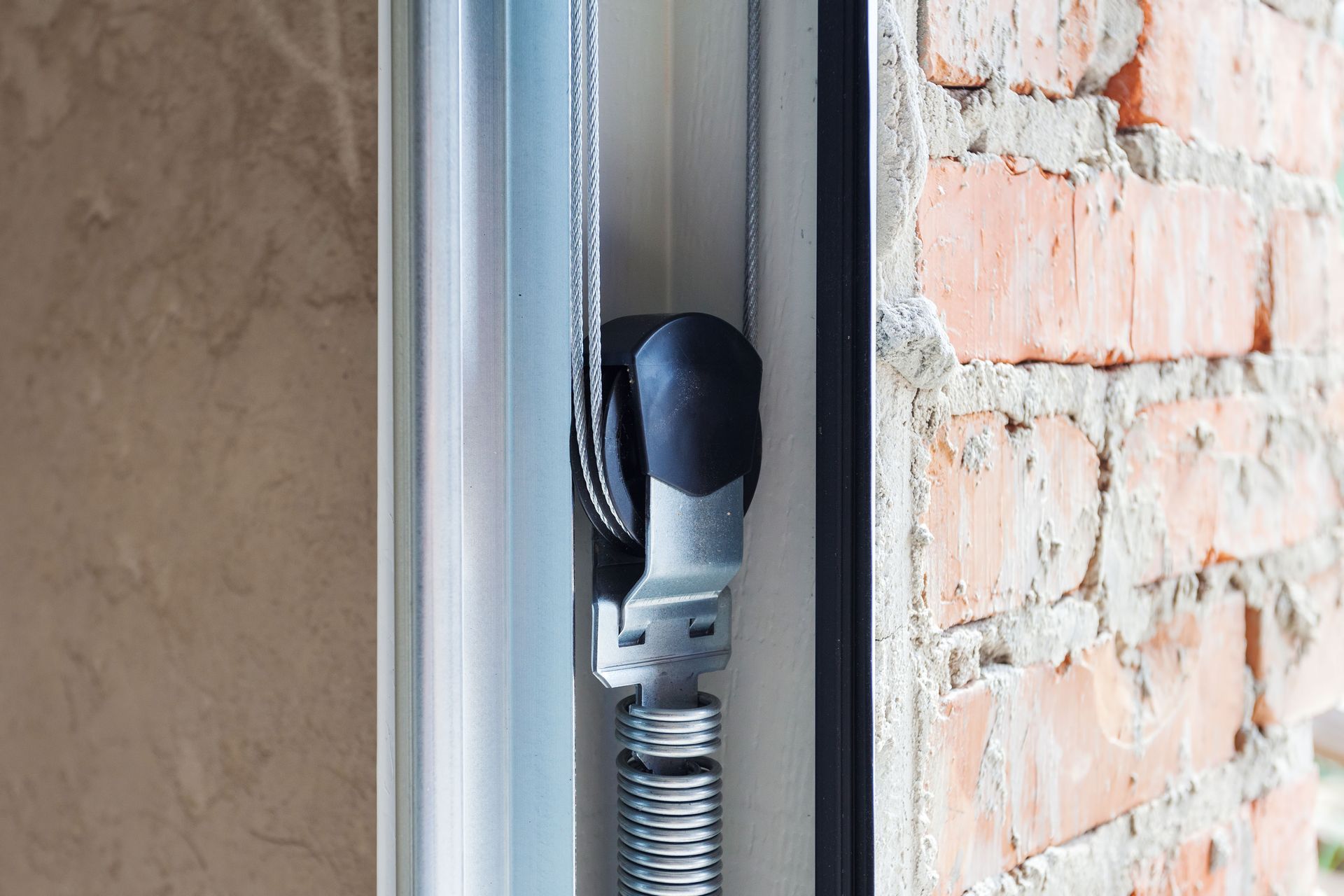
Torsion springs are commonly installed above the garage door opening. They twist to store mechanical energy and release that energy as the door moves. Extension springs are positioned along the sides of the door and stretch and contract during operation. Both designs help counterbalance the weight of the door, although their construction and performance characteristics differ.
Most garage door springs are made from high-strength steel because it provides the flexibility and durability required for repeated movement. Protective coatings may help reduce exposure to rust and corrosion. The materials, design, usage frequency, and surrounding environment all influence how long a spring remains effective.
Understanding Spring Performance
Garage door springs counterbalance the weight of the door so that the opener does not have to carry the entire load. When the springs are working properly, the door should move smoothly and remain relatively balanced throughout its travel. Worn or damaged garage door springs can place additional strain on the opener and other components.
The lifespan of a spring depends on its design, cycle rating, frequency of use, and environmental conditions. According to Consumer Affairs, a garage door will last an average of 15 to 30 years. Springs may need to be replaced multiple times during the life of the door because they experience repeated cycles of tension and release. Routine inspections can help identify wear before a failure creates a larger problem.
Understanding Temperature Effects
Understanding Thermal Expansion
Metal expands when heated and contracts when cooled. While these dimensional changes may be small, repeated temperature fluctuations can contribute to stress on garage door components. Since springs repeatedly stretch, contract, or twist during normal operation, seasonal temperature changes can add another source of stress to an already active component.
Temperature changes can also affect other parts of the garage door system. Tracks, fasteners, frames, and other metal components may expand or contract at different rates. If components become misaligned, the door may experience additional friction or resistance. This can make the opener work harder and increase the strain placed on the spring system.
Managing Cold Weather
Cold temperatures can make metal components contract and may change how a garage door feels during operation. Extremely cold conditions can also affect lubricants, causing some products to thicken and provide less effective protection against friction. Increased resistance may make the door harder to move and place additional demands on the opener.
Winter maintenance should include an inspection of the springs, tracks, rollers, and other moving parts. A technician can determine whether components are showing signs of excessive wear or whether adjustments are needed. Addressing problems before severe weather arrives can help reduce the likelihood of an unexpected breakdown.
Managing Warm Weather
High temperatures cause metal components to expand and can affect the tension and movement of garage door springs. Prolonged heat exposure may also affect lubricants and increase friction between moving parts. In garages that receive significant direct sunlight, elevated temperatures can contribute to additional stress on the entire door system.
Warm weather can also reveal alignment problems. When components expand at different rates, the door may become noisier, harder to operate, or uneven as it travels along the tracks. Regular inspections can help identify these issues before they contribute to more extensive wear.
Recognizing Temperature-Related Problems
Recognizing Unusual Noises
Unusual squeaking, grinding, popping, or rattling sounds can indicate that something in the garage door system needs attention. Temperature-related changes may contribute to increased friction or altered spring tension, but unusual sounds can have several possible causes. A professional inspection can help determine whether lubrication, alignment, adjustment, or replacement is appropriate.
Recognizing Balance Problems
A properly balanced garage door should move smoothly without placing excessive demands on the opener. If the door becomes noticeably heavier, rises unevenly, or does not stay in position when manually operated, the spring system may require professional attention. Changes in temperature can contribute to these symptoms by affecting tension and the movement of connected components.
Because garage door springs are under substantial tension, repairs and adjustments should be handled by trained professionals. Attempting to remove or adjust a spring without the appropriate equipment and experience can create serious safety risks.
Recognizing Visible Wear
Rust, gaps in coils, stretched components, frayed cables, and other visible damage can indicate that the garage door system needs service. Springs do not always fail with extensive warning, so regular visual inspections are useful for identifying developing concerns. Corrosion can be particularly important because prolonged exposure to moisture may weaken metal components.
Changes in door speed or operation can also provide useful warning signs. A door that suddenly moves faster, slower, or less smoothly than usual should be evaluated rather than ignored. Early attention can help prevent a minor issue from affecting other parts of the system.
Maintaining Garage Door Performance
Scheduling Professional Inspections
Professional inspections can help identify problems related to temperature fluctuations, normal wear, and repeated use. A technician can evaluate spring condition, door balance, track alignment, cables, rollers, and opener performance. Regular service is particularly useful before periods of extreme cold or heat when existing weaknesses may become more noticeable.
Maintaining Proper Lubrication
Appropriate lubrication helps reduce friction between moving components and supports smoother operation. However, lubricants can behave differently depending on temperature, so using a product suitable for the garage door system and local conditions is important. Applying lubricant to the correct components and avoiding unnecessary products on parts that do not require lubrication can help support reliable operation.
Protecting Against Environmental Stress
Keeping the garage properly maintained can reduce the effects of environmental conditions. Adequate ventilation may help manage excessive heat, while keeping moisture under control can reduce corrosion. Protecting the door from unnecessary exposure to harsh conditions can also support the longevity of its components.
Property owners should also avoid placing excessive weight on the garage door or continuing to operate it when obvious problems are present. A damaged spring or malfunctioning door can worsen with continued use. Professional service can determine the safest and most effective solution.
Protecting Your Garage Door System
Preparing for Seasonal Changes
Seasonal maintenance can help identify developing problems before temperature extremes place additional stress on the system. Before winter, homeowners can have the door inspected for corrosion, wear, lubrication issues, and balance concerns. Before summer, checking alignment and moving components can help address problems that may become more noticeable during periods of high heat.
Keeping up with professional maintenance is especially important because garage doors are used frequently. Consistent attention to springs and other components can help support smoother operation and reduce the likelihood of unexpected failures.
Choosing Professional Service
Garage door springs are essential but high-tension components that require careful handling. If a door becomes difficult to operate, makes unusual sounds, appears unbalanced, or shows visible spring damage, professional service can help determine the cause. Timely repairs can protect other components and help keep the system operating safely.
For dependable assistance with inspections, repairs, and spring-related concerns, contact Garage Door Guru of NC. Professional attention can help address temperature-related problems and keep your garage door operating reliably through changing seasons.

Share On: